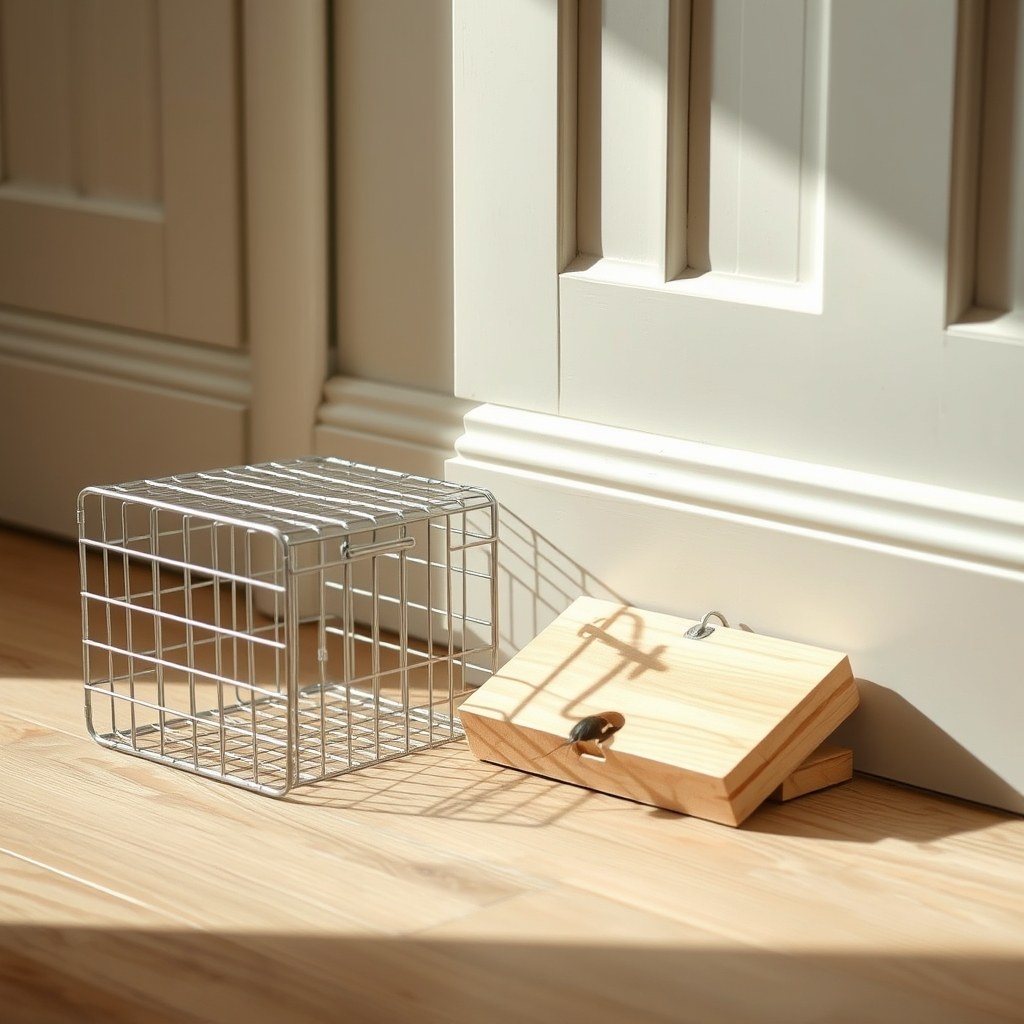

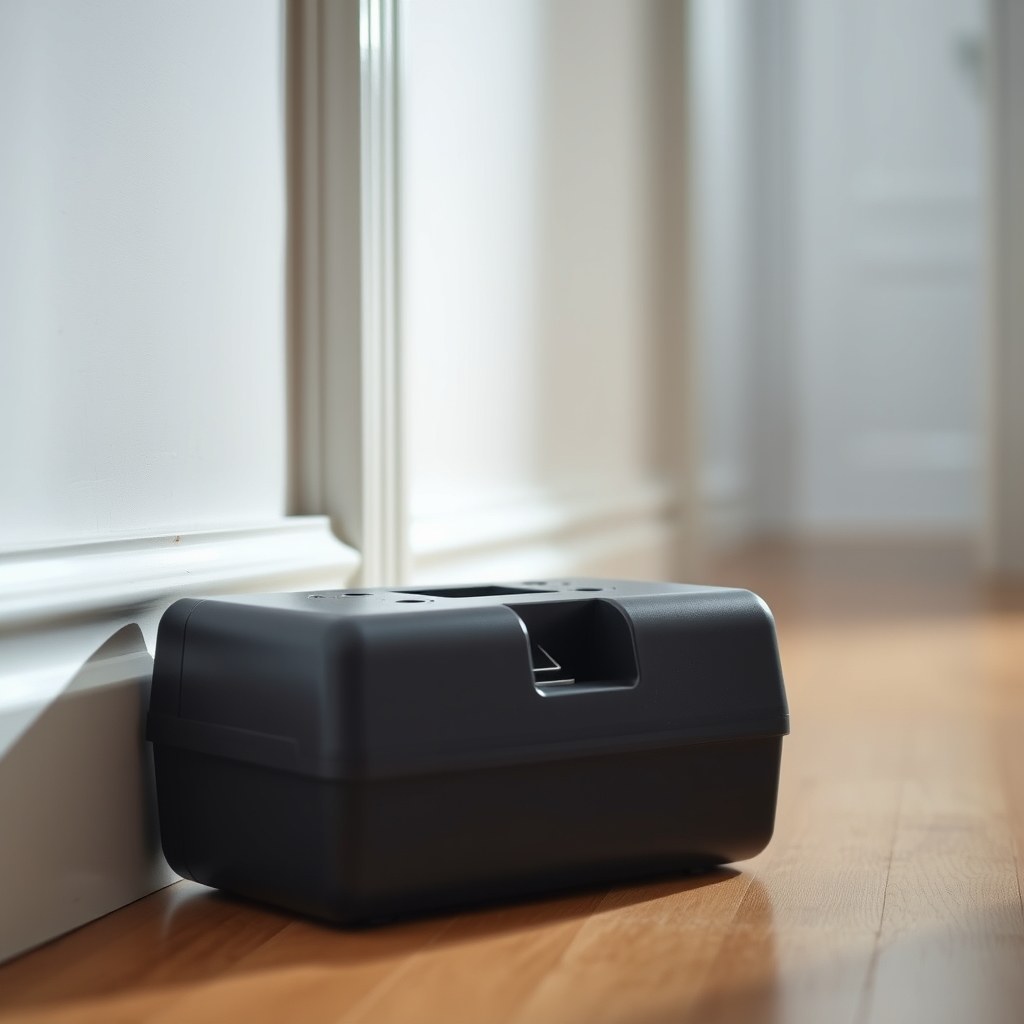
The best rat trap depends on where the rat runs. Indoors, use a closed, poison-free electronic trap. In the garden or an open shed, start with a monitoring station that also holds a snap trap.
A rat is a creature of habit. It takes the same route along the same wall every night, like a commuter who never misses the 7:42. That habit is your best weapon. Put the right trap on its route, in the right place, and the commute ends.
The hard part is picking the right tool for the place. A loft, a compost heap and a garden shed are three different jobs. This guide ranks the rat traps on our list by setting and gives the price in euros. It also explains when a bait station is the smarter buy.
The short answer
| Product | Type | Price | Our score | Best for |
|---|---|---|---|---|
| Swissinno SuperCat Electronic Mouse and Rat Trap with Bluetooth | Electronic trap with Bluetooth alert | €92.99 | 8/10 | House, stubborn problem |
| Protect Home Electronic Rat Trap (Victor) | Electronic trap, poison-free | €37.50 | 7.5/10 | House, tighter budget |
| Neudorff Sugan Rat Bait Station with Monitoring Bait | Snap trap in a box with a scented monitoring lure | €22.99 | 7/10 | Garden and shed, checking for rats |
Prices are the ones shown on the retailer pages linked below. They change, so check before you buy. For every product we score, across all pests, see our full pest control ranking.
How we ranked them
We did not handle these products. The facts come from the retailer pages for each product: price, target pest, type, power and where it can be used. We scored each one out of 10. The criteria are fit for the job, safety for the people and animals around it, and the effort it asks from you.
Two words come up a lot below. A biocide is a product that kills or controls a pest, and in the EU it falls under the Biocidal Products Regulation. A rodenticide is a biocide made to kill rodents, in other words rat or mouse poison.
Best rat traps for the house
Indoors, you want a trap that is poison-free, closed and easy to empty. Electronic traps fit that brief. The rat walks in for the bait, the trap fires, and you do not see much of the result.
1. Swissinno SuperCat Electronic Mouse and Rat Trap with Bluetooth (8/10, €92.99)
This one works on mice and rats, and it sends an alert to an app when it fires. So you stop opening an empty trap every morning out of curiosity. The retailer describes a safety design that protects the user, and disposal without touching the catch.
It runs on C batteries, which are not included. At €92.99 it is the most expensive trap here. Buy it for a stubborn rat that keeps coming back, or for a trap in a spot you rarely visit, like a loft.
2. Protect Home Electronic Rat Trap by Victor (7.5/10, €37.50)
This electric-shock rat trap has a bait tray, an ON lever and a green light. The light stays on for up to 7 days after a catch, so a quick look tells you if there is something to empty. The retailer text says one set of batteries, sold separately, kills up to 50 rats. The packaging shown on the same page says up to 35.
The packaging marks it for indoor use. It does the same core job as the SuperCat for well under half the price. You just lose the phone alert.
If your visitor turns out to be a mouse, not a rat, the Protect Home Electronic Mouse Trap (8/10, €29.99) is the mouse-sized version. It is rated for mice only, so do not ask it to stop a rat.
Where to put an indoor trap
Rats follow walls and hidden runs. Set the trap along the wall where you find droppings or gnaw marks, with the entrance facing the run. Then think about who else lives in the house. Keep every trap and every bait out of reach of children and pets, and follow the instructions on the label. When you empty a trap, wear disposable gloves. Put the catch in a closed bag in the outside bin, then wash your hands.
Best rat trap for the garden
Outside, the weather, the birds and the neighbour’s cat all get a vote. The Protect Home rat trap’s packaging and description say indoor use. The retailer’s spec table also ticks “outdoor”, so the page contradicts itself. The SuperCat page says nothing about outdoor use. So we do not rank either of them for the open garden.
Neudorff Sugan Rat Bait Station with Monitoring Bait (7/10, €22.99)
This bait station combines a snap trap and a scented lure in one reusable box, listed for indoor and outdoor use. The only “active ingredient” the retailer lists is a scented plastic lure, so there is no poison in it. The retailer says the lure lets you monitor an infestation for up to 3 months, and that you can remove a catch without direct contact. It tells you whether rats really visit that compost heap or that gap under the decking, and it catches the ones that do.
That makes it a good first step. If it catches a rat, you know where to act. If nothing turns up for a while, the noise under the decking may be a hedgehog with poor manners. Keep the box out of reach of children and pets, and use it as the instructions say.
Best rat trap for the shed
A shed sits between house and garden. A dry, closed shed is close to an indoor room. An open, damp lean-to is closer to the garden.
In a closed, dry shed, an electronic trap can make sense. The Protect Home rat trap is marked for indoor use, though, and the SuperCat page gives no outdoor rating. Check the label and the maker’s instructions before you put one in an outbuilding.
In an open or damp shed, set the Neudorff Sugan station, listed for indoor and outdoor use, and confirm activity first.
In any shed, look at what you store. Pet food, bird seed and chicken feed are a standing invitation. Move them into closed containers before you set anything.
When a bait station beats a trap
A trap catches one rat at a time. A bait station is a closed box that holds bait, and it has two different uses.
Bait station for monitoring
With a non-toxic lure, like the Sugan station (which also holds a snap trap), it shows you whether rats are present and where they run. It wins over a trap when you are not yet sure you have a rat at all. It also helps when you want to check that the problem is over.
Bait station for rodenticide
Here the box keeps the poison away from hands and paws. It is also where the rules start to matter, so read this part carefully.
- Anticoagulant poisons carry extra risk. The UK Health and Safety Executive (HSE) says who is most at risk. In its words, “children, pets and other non-target animals are more likely to be harmed by them”. It advises you to “minimise the use of anticoagulants wherever possible” (HSE, Rodenticides).
- EU rules limit what the public can buy. Under EU Regulation 2016/1179, anticoagulants above 30 ppm are classed as toxic to reproduction. Article 19(4) of the Biocidal Products Regulation 528/2012 then prevents their sale for general public use. The 30 ppm threshold comes from a secondary source (Journal of Pest Science, 2023). The regulation text on EUR-Lex confirms the Article 19(4) rule for products classified as toxic for reproduction category 1A or 1B (point (b)).
- UK (Great Britain) difference: products for the general public may be limited in three ways. The rules can cap the amount of active substance, the placement (such as bait boxes) and the maximum pack size that can be sold. Professional users of anticoagulants “must follow the requirements of one of the UK rodenticide stewardship regimes” (HSE, Rodenticides). HSE also ran a consultation on these products from 12 August to 30 September 2025 (HSE consultation hub), so the rules may change.
Our advice follows the HSE line. Start with a trap or a monitoring station. Keep poison for when those fail, and then follow the product label to the letter.
What about glue traps?
Leave them on the shelf. The law in England is the Glue Traps (Offences) Act 2022. It says “a person who sets a glue trap in England for the purpose of catching a rodent commits an offence”. That rule has been in force since 31 July 2024. None of the traps in this guide use glue.
Quick buying checklist
- Confirm it is a rat. Rat traps and mouse traps are sized differently. For mice, see our guide to the best mouse traps.
- Pick by setting: electronic trap for the house, monitoring station for the garden or an open shed.
- Check the label for indoor or outdoor use before you set it.
- Count the hidden costs. Both electronic traps need batteries that are not in the box.
- Remove the food source: bins, bird seed, pet food, fallen fruit.
- Keep children and pets away from every trap and every bait.
FAQ
What is the best rat trap for a house?
On our list, the Swissinno SuperCat (8/10, €92.99) suits a stubborn problem, with a phone alert. The Protect Home Electronic Rat Trap (7.5/10, €37.50) suits a lower budget. Both are poison-free electronic traps.
What is the best rat trap for the garden?
Neither electronic trap on our list is clearly rated for outdoor use. The Protect Home rat trap’s packaging says indoor, and the SuperCat page says nothing. Start with the Neudorff Sugan Rat Bait Station (7/10, €22.99), listed for indoor and outdoor use. It confirms whether rats are there and catches the ones that are.
Is a bait station better than a trap?
It is better when you need to know if rats are there, or when you must keep a bait away from children and pets. Poison in a bait station still carries risk, and HSE advises keeping anticoagulant use to a minimum.
Are glue traps legal for rats?
Not in England. Setting a glue trap to catch a rodent there has been an offence since 31 July 2024.
The last word
Rats are loyal to their routes, so be loyal to the basics. Find the run, pick the trap that suits the place, keep it away from small hands and paws, and take the food away. Do that, and the 7:42 commuter will find its line has been cancelled.
The Pest Extermination team